Organisations across the United Kingdom are recognising the immense value of converting their physical book collections into accessible digital formats. Whether you manage a corporate library, maintain historical archives, or possess treasured personal collections, professional bound book scanning services offer a reliable pathway to preservation, accessibility, and efficiency.
This comprehensive guide explores the intricacies of bound book scanning, examining the various methods available, the standards that govern quality digitisation, and the transformative benefits this technology brings to businesses, institutions, and individuals throughout the UK.
What is Bound Book Scanning?
Bound book scanning is the process of converting physical books, journals, manuscripts, and other bound publications into high-quality digital files. Unlike standard document scanning, book scanning requires specialised book scanners and techniques to handle the unique challenges presented by bound materials, including curved pages, tight bindings, and varying paper conditions.
According to The National Archives, digitisation plays a crucial role in preserving valuable records and making them accessible to wider audiences. Their guidance emphasises that before embarking on any digitisation project, organisations should ensure they follow established best practices and quality standards to maintain the integrity and evidential value of the original documents.
Professional book scanning services employ state-of-the-art overhead scanners, specialist book cradles, and carefully calibrated lighting systems to capture every page with exceptional clarity whilst protecting the original material from damage.
Destructive vs Non-Destructive Book Scanning Methods
When it comes to digitising bound books, two primary approaches exist, each suited to different circumstances and requirements.
Destructive Book Scanning
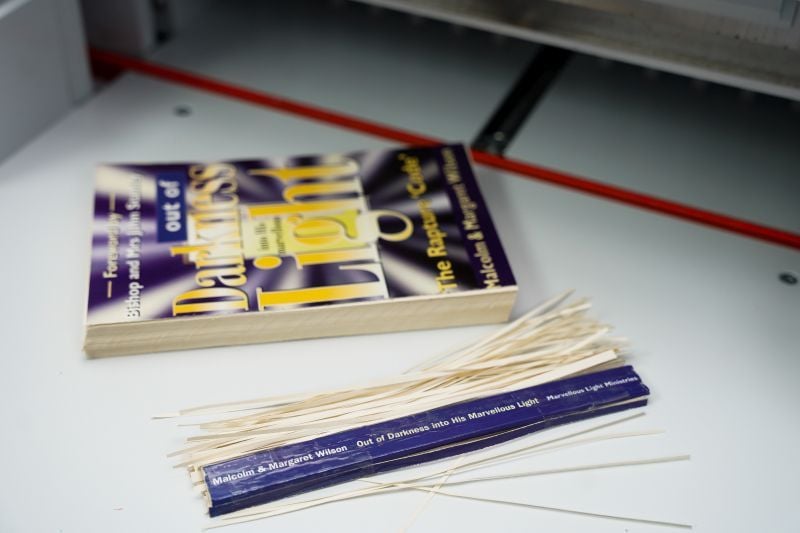
Destructive scanning, also known as unbound scanning, involves carefully removing the book’s binding using professional guillotine equipment before scanning the individual pages. This method is the most commonly used approach for book digitisation projects and offers several advantages. Once the pages are freed from their binding, they can be processed through high-speed document scanners, significantly reducing turnaround times and costs. The resulting scans are typically of superior quality, with no shadows or distortion from curved pages.
This method is ideal for outdated manuals, duplicate copies, books being replaced, or materials where the physical original is not required after digitisation. Many organisations opt for destructive scanning when converting technical manuals, training materials, or administrative records that hold informational rather than historical value.
Non-Destructive Book Scanning
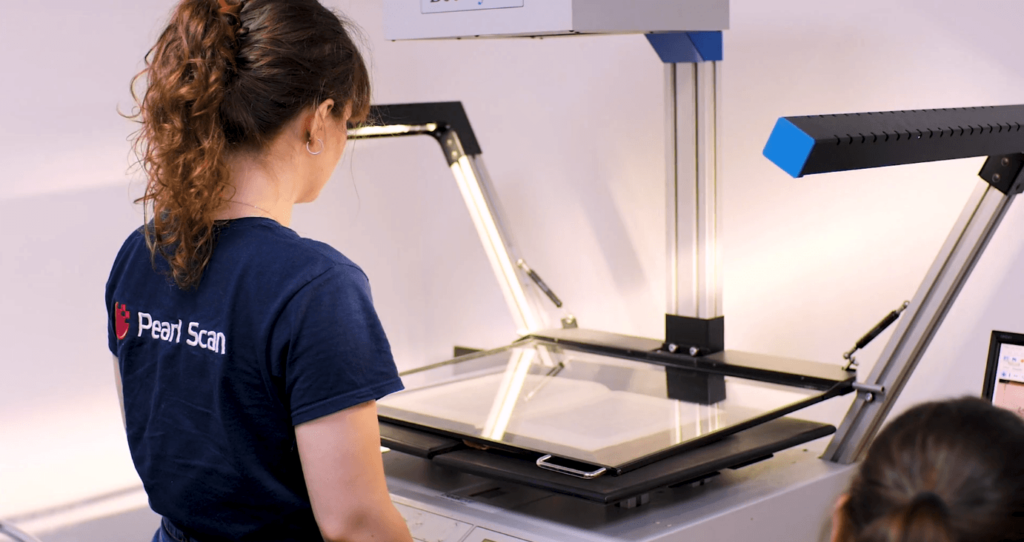
For rare, valuable, or historically significant books, non-destructive book scanning preserves the original binding whilst still capturing high-quality digital images. This technique utilises overhead book scanners equipped with specially designed V-shaped cradles that gently support the book at an optimal angle, reducing stress on the spine.
The British Library, which holds over 170 million items in its collection, has been at the forefront of digitisation and digital preservation for nearly 30 years. As guardians of the nation’s treasures, they emphasise the importance of specialist handling techniques when working with rare and fragile materials. Their approach to digitising ancient manuscripts and historical documents demonstrates the level of care required for heritage book scanning projects.
The National Archives similarly advocates for careful handling during digitisation, noting that specialist digitisation equipment, including book rests, cradles, and weights, helps prevent damage to original items whilst achieving the best possible digital surrogate of the material.
Understanding Book Scanning Output Options
Professional book scanning services offer various output configurations to meet different requirements. Understanding these options helps you select the most appropriate format for your needs.
Spread-Scan Format
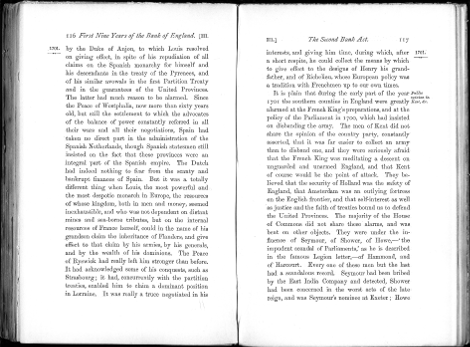
This entry-level service captures both left and right pages as a single image. Whilst cost-effective, spread-scanning is best suited for archival purposes where safeguarding content is the primary concern rather than ease of reading. It works well for catalogues, magazines, and reference materials that require basic digital preservation.
Single Page Scan
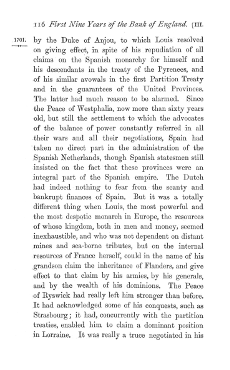
A more traditional approach where each page is scanned and saved as a separate image file. This user-friendly format is ideal for documents that will be regularly accessed, searched, or referenced, making it popular among researchers, academics, and businesses requiring frequent document retrieval.
Enhanced Image Processing
For professional and commercial applications, enhanced scanning includes comprehensive post-processing. This typically encompasses removal of black borders, de-skewing of misaligned pages, orientation correction, de-speckling to remove noise, background smoothing, and ensuring consistent page sizing throughout the document. These enhancements create polished, publication-ready digital files.
Digital Output Formats for Scanned Books
Modern book scanning technology supports conversion to numerous digital formats, each offering distinct advantages.
Searchable PDF: Perhaps the most versatile format, searchable PDFs combine visual accuracy with text recognition capabilities. Using Optical Character Recognition (OCR) technology, these files allow users to search for specific words, phrases, or references within digitised books. This format is invaluable for researchers, legal professionals, and academics who need to locate specific information quickly.
Microsoft Word: Converting scanned books to editable Word documents enables content to be revised, updated, or repurposed. This is particularly useful for republishing projects or when content requires modification.
eBook Formats (ePub, Mobi): For distribution on digital readers such as Kindle or iPad devices, conversion to eBook formats ensures optimal reading experiences across multiple platforms. These formats automatically adjust text flow and sizing for different screen dimensions.
TIFF and JPEG: High-resolution image formats suitable for archival purposes or when visual fidelity is paramount. TIFF files, in particular, preserve maximum image quality and are recommended for long-term digital preservation.
Legal Compliance and Industry Standards
When digitising business-critical documents, ensuring legal admissibility and compliance with recognised standards is essential. In the United Kingdom, BS 10008 is the British Standard that governs the evidential weight and legal admissibility of electronically stored information.
According to guidance from the British Standards Institution (BSI), BS 10008 addresses legal admissibility concerns and helps organisations face legal situations with confidence that they have implemented best practice. The standard ensures that electronic records are trustworthy and can be used as evidence in legal disputes, statutory inquiries, or internal investigations.
The Civil Evidence Act 1995 permits electronic images of documents to be treated as secondary evidence, similar to photocopies or microfiche images. However, courts require satisfaction regarding the authenticity of such copies. Working with accredited scanning providers who follow BS 10008 guidelines maximises the evidential weight of your digitised documents.
Additional certifications to look for when selecting a book scanning provider include ISO 27001 for information security management, ISO 9001 for quality management systems, and Cyber Essentials certification for protection against common cyber threats.
Benefits of Professional Book Scanning Services
Digitising your book collection through professional services delivers substantial benefits across multiple dimensions.
Preservation and Protection
Physical books deteriorate over time due to environmental factors, handling, and natural degradation of materials. The British Library’s Endangered Archives Programme highlights the urgent need to preserve documentary heritage before physical deterioration renders materials unreadable. Digital copies create permanent records that remain accessible regardless of what happens to original materials, protecting valuable content against fire, flood, theft, or simple wear and tear.
Space Optimisation
Research indicates that the average office worker uses approximately 10,000 sheets of paper annually. Physical book storage consumes valuable office or warehouse space that could be better utilised. Converting books to digital formats eliminates the need for extensive shelving systems, filing cabinets, and dedicated storage rooms, potentially reducing property costs significantly.
Enhanced Accessibility
Digital books can be accessed instantly from anywhere with an internet connection. Multiple users can simultaneously access the same content, eliminating the restrictions of physical copies. According to the UK Government’s Business Data Survey 2024, almost all businesses (99%) with at least ten employees now handle digitised data, reflecting the widespread adoption of digital document management practices.
Improved Searchability
OCR-processed digital books transform static images into searchable text databases. Instead of manually scanning through hundreds of pages, users can locate specific information in seconds. This dramatically improves productivity for researchers, legal teams, and anyone requiring rapid access to specific content within large document collections.
Environmental Sustainability
The World Economic Forum has found that digitising trade documents could potentially reduce global carbon emissions from logistics by as much as twelve per cent. Beyond trade documents, broader digitisation initiatives reduce paper consumption, decrease physical transportation requirements, and support organisations’ environmental sustainability objectives and net-zero commitments.
Common Applications for Book Scanning
Book scanning services cater to diverse requirements across numerous sectors and use cases.
Academic and Research Institutions: Universities, research centres, and libraries digitise reference materials, academic journals, and historical texts to expand access for students and scholars whilst preserving irreplaceable originals.
Legal and Professional Services: Law firms, accountancy practices, and consultancies convert bound case files, legal references, and professional publications into searchable digital archives that enhance case preparation and client service.
Healthcare Organisations: Medical institutions digitise bound patient records, medical journals, and procedural manuals to improve information accessibility whilst meeting strict data protection requirements.
Manufacturing and Engineering: Technical manuals, equipment specifications, and engineering documentation benefit from digitisation, ensuring critical information remains accessible even when original publications become outdated or unavailable.
Heritage and Cultural Preservation: Museums, archives, and heritage organisations digitise historical books, manuscripts, and ephemera to preserve cultural heritage and make collections accessible to global audiences.
Personal Collections: Individuals digitise family histories, personal journals, photograph albums, and cherished books to create lasting digital legacies for future generations.
The Professional Book Scanning Process
Understanding what to expect from a professional scanning service helps ensure your project proceeds smoothly.
Initial Consultation: Reputable providers begin with a thorough assessment of your requirements, examining the nature, condition, and volume of materials to be scanned. This enables accurate cost estimation and identification of any special handling requirements.
Secure Collection: Professional services offer secure collection from your premises anywhere in the UK. Materials are carefully packed and transported using dedicated, tracked vehicles to ensure chain of custody and protection throughout transit.
Document Preparation: Each book undergoes careful inspection to assess condition and determine the most appropriate scanning method. For destructive scanning, bindings are professionally removed; for non-destructive projects, items are prepared for overhead scanning.
High-Quality Scanning: Using calibrated equipment and controlled lighting, technicians capture each page at the specified resolution. The National Archives recommends always requesting sample scans and OCR output before scanning begins in earnest, allowing verification of quality and process adjustments if needed.
Quality Assurance: Comprehensive quality control checks verify image clarity, completeness, and accuracy. Any issues identified are rectified before files progress to the next stage.
Indexing and OCR Processing: Files are organised according to your specifications and, where required, processed through OCR software to enable full-text searchability.
Secure Delivery: Completed digital files are delivered via your preferred method—secure file transfer, encrypted USB drives, or direct upload to your document management system. Original materials are returned or, if requested, securely destroyed in compliance with BS 15713 shredding standards.
Choosing the Right Book Scanning Provider
Selecting an appropriate partner for your book digitisation project requires careful consideration of several factors.
Experience and Expertise: Look for providers with demonstrable experience handling similar materials. Specialist knowledge in scanning fragile, historical, or oversized books is particularly important for heritage projects.
Equipment and Facilities: Professional scanning bureaux invest in state-of-the-art equipment appropriate for different material types. Enquire about scanner specifications, particularly for non-destructive overhead scanning capabilities.
Security and Compliance: Verify certifications including ISO 27001, GDPR compliance, and BS 10008 accreditation. Understand how materials will be stored, handled, and protected throughout the scanning process.
Capacity and Turnaround: Ensure the provider can accommodate your project volume within required timeframes. Large-scale digitisation projects benefit from providers with substantial processing capacity.
Customer References: Request testimonials and case studies from similar organisations. Established providers should readily supply references demonstrating successful project delivery.
Take the Next Step Towards Digital Transformation
Bound book scanning represents a powerful tool for preserving knowledge, improving accessibility, and optimising operational efficiency. Whether you are safeguarding historical archives, streamlining business operations, or preserving personal collections, professional digitisation services provide the expertise and technology to transform your physical books into valuable digital assets.