Across the United Kingdom, countless families, businesses, museums, and archives possess invaluable collections of photographic negatives, slides, and transparencies that risk deterioration and loss. Professional negative scanning services have emerged as the definitive solution to safeguard these irreplaceable memories and historical records for future generations.
The British Library’s digitisation programmes demonstrate the national priority placed on preserving photographic materials. With specialist equipment capable of scanning glass lantern slides and handling delicate historical negatives, major institutions are setting the standard for digital preservation that commercial services like Pearl Scan’s photo and negative scanning services have adopted for public and business use.
Understanding Different Negative Formats
35mm Film Negatives and Slides
The most common format in household collections, 35mm film negatives and slides represent decades of family memories from the 1960s onwards. These small-format transparencies, whilst compact and convenient, are particularly susceptible to fading, colour shifts, and physical deterioration. According to the Tate Gallery’s research on 35mm slide preservation, slides deteriorate from light, heat, dust, and mechanical wear, requiring replacement approximately every six weeks when on display.
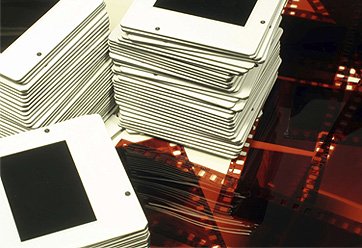
Professional scanning services typically digitise 35mm materials at a minimum resolution of 4,000 pixels per inch (PPI), as recommended by UK National Archives digitisation guidance. This high resolution captures the substantial visual information stored in these compact formats, enabling enlargement whilst maintaining image quality. Pearl Scan utilises state-of-the-art scanning equipment from manufacturers such as Kodak, Agfa, and Canon to ensure optimal results for document scanning projects and photographic materials alike.
Glass Plate Negatives: A Fragile Heritage
Glass plate negatives represent some of the earliest and most historically significant photographic materials. Used extensively from the 1850s through to the 1920s, these large-format negatives captured everything from Victorian family portraits to architectural documentation. The UK Parliament’s digitisation of the Farmer glass plate collection exemplifies the national importance of preserving these materials, which document the Edwardian Houses of Parliament and offer glimpses into Britain’s industrial heritage.
Glass plates present unique preservation challenges. The gelatin emulsion layer can split and peel from the glass substrate, particularly when stored in environments with fluctuating temperature and humidity. Institutions such as the Parliamentary Archives store their glass plate negatives in controlled environments at approximately 10°C with 35% relative humidity to prevent deterioration. The glass itself is extremely fragile and susceptible to breakage, cracks, and fractures, requiring specialist handling with non-vinyl gloves and careful support during digitisation.
Quarter Plate and Half Plate Formats
Quarter plate (3¼ × 4¼ inches) and half plate (4¾ × 6½ inches in the English format) negatives were standard professional formats throughout the Victorian and Edwardian eras. These intermediate sizes offered an excellent balance between image quality and practical handling, making them popular amongst commercial photographers and serious amateurs. Collections often include both collodion wet plate negatives from the mid-19th century and gelatin dry plate negatives from the 1880s onwards.
The digitisation of these formats requires flatbed scanners or specialised large-format scanning equipment capable of handling plates up to A3 size. Professional services ensure plates are gently cleaned before conversion, as even minor dust particles can appear magnified at high scanning resolutions. The resulting digital masters are typically saved as uncompressed TIFF files to maintain archival quality, with JPEG derivatives created for practical use and online access.
Medium and Large Format Film
Beyond 35mm, many professional and serious amateur photographers used medium format film (6×4.5cm, 6×6cm, 6×9cm) and large format sheet film (4×5 inches, 5×7 inches, 8×10 inches). These larger negatives capture exceptional detail and tonal range, making them particularly valuable for archival digitisation projects. Professional services typically scan large format materials at 1,200 PPI, balancing detail capture with practical file sizes and processing times.
Why Professional Negative Scanning Matters
Preservation Against Deterioration
All photographic materials deteriorate over time. Colour negatives and slides are particularly vulnerable, with dyes fading at different rates and causing colour shifts. Black and white negatives, whilst generally more stable, can suffer from silver mirroring, yellowing, and emulsion damage. The British Library’s Endangered Archives Programme emphasises the critical importance of digitisation for materials at risk, providing comprehensive guidelines for archival-quality preservation.
Professional scanning creates permanent digital surrogates that eliminate the need to handle fragile originals repeatedly. This significantly reduces wear and tear whilst ensuring that the visual information remains accessible. For institutions such as the British Library, digitisation means researchers can access materials without handling precious originals, extending their physical lifespan considerably.
Enhanced Accessibility and Sharing
Digital images can be easily shared, displayed, and reproduced without degrading the original materials. Families can distribute copies to relatives, researchers can access collections remotely, and museums can create online exhibitions. Modern document management solutions enable organisations to catalogue, search, and retrieve digital images efficiently, transforming static archives into dynamic, accessible resources.
The digitisation of the British Library’s newspaper collections demonstrates this principle magnificently. With 750 million pages being systematically scanned, materials that were once accessible only in temperature-controlled vaults in Boston Spa are now available to researchers worldwide, preserving Britain’s documentary heritage whilst making it universally accessible.
Technological Obsolescence
The equipment required to view slides and negatives is becoming increasingly scarce. Slide projectors are no longer manufactured, and enlargers for printing from negatives are increasingly difficult to obtain and maintain. Digitisation future-proofs your photographic heritage, ensuring that images remain viewable regardless of technological changes. Digital files can be displayed on computers, tablets, televisions, and future devices we haven’t yet imagined.
Professional Scanning Standards and Best Practices
Resolution and File Formats
Professional scanning services adhere to archival standards established by institutions such as the National Archives. For negatives and transparencies, recommended specifications include:
- 35mm negatives and slides: 4,000 PPI minimum
- Medium format (up to 6×6cm): 2,400-4,000 PPI
- Large format (4×5 inches and above): 1,200-2,400 PPI
- Glass plate negatives: 600-1,200 PPI depending on size
Master files should be saved as uncompressed TIFF format with appropriate colour profiles embedded. This preserves all captured information without compression artefacts. Derivative files in JPEG format can then be created for practical use, web display, and sharing, typically at 80-90% quality settings.
Colour Management and Calibration
Professional services use calibrated scanning equipment with standardised colour profiles to ensure accurate colour reproduction. Colour targets are scanned alongside collections to verify that equipment remains properly calibrated throughout scanning projects. Modern scanning software can restore faded colours, correct for the effects of film grain, and remove dust and scratches through infrared dust and scratch removal (iSRD) technologies.
Handling and Preparation
Professional handling procedures protect delicate materials during the scanning process. Technicians wear non-vinyl plastic gloves (latex or nitrile) when handling negatives and glass plates, as cotton gloves can be slippery with glass and may snag flaking emulsions. Materials are cleaned using appropriate methods before scanning—glass plates receive gentle cleaning with specialist products, whilst film is cleaned using anti-static brushes or air bulbs to remove dust particles.
For glass plate negatives, special care ensures plates are never placed under pressure during scanning, as hairline cracks can cause breakage. Plates are handled by two opposite edges with both hands and stored vertically on their long edge in archival-quality housing materials.
Benefits Beyond Preservation
Restoration and Enhancement
Digital scanning creates opportunities for restoration that would be impossible or risky with physical materials. Scratches, tears, water damage, and fading can be corrected digitally without touching the original negatives. Pearl Scan offers comprehensive photo restoration services that breathe new life into damaged photographs whilst preserving unaltered archival masters.
Metadata and Organisation
Digital files can be enriched with metadata including dates, locations, subjects, and keywords, making collections searchable and manageable. Professional scanning services provide indexing capabilities that transform chaotic boxes of negatives into organised, accessible archives. This metadata proves invaluable for family historians, researchers, and organisations managing large photographic collections.
Integration with Modern Workflows
Once digitised, historical photographs can be integrated into contemporary workflows. Businesses can incorporate archive images into marketing materials, museums can create digital exhibitions, and families can produce photo books and presentations. The integration with cloud storage and document management systems ensures materials remain accessible from anywhere, supporting remote collaboration and distributed access.
Choosing Professional Scanning Services
When selecting a negative scanning service, several factors warrant consideration:
- Experience with diverse formats: Ensure the service can handle all your material types, from 35mm to glass plates
- Archival-quality standards: Verify that scanning resolutions and file formats meet preservation guidelines
- Security and handling: Confirm that materials will be handled by trained professionals with appropriate insurance
- Metadata and indexing: Check whether cataloguing services are available to organise your collection
- Turnaround time: Understand project timescales, particularly for large collections
- Additional services: Consider whether restoration, colour correction, or format conversion services are required
Pearl Scan has established itself as a leading provider of negative scanning services throughout the UK, working with families, businesses, museums, and government institutions. With nationwide coverage and specialist expertise in handling delicate photographic materials, we ensure your precious negatives and slides receive the care and attention they deserve.
The growing need for negative scanning reflects our collective recognition that photographic heritage represents more than mere images – these materials embody personal histories, cultural memory, and irreplaceable documentation of our past. As the British Library’s ambitious digitisation programmes demonstrate, the preservation of photographic materials has become a national priority, essential for maintaining our connection to history and ensuring future generations can access and learn from these visual records.
Whether your collection comprises family snapshots on 35mm film, Victorian glass plate negatives, or professional archives on various formats, professional scanning services provide the expertise, equipment, and care necessary to transform fragile physical materials into permanent digital assets. The time to act is now – every year of delay means further deterioration and potential loss of irreplaceable images.
Don’t allow your photographic heritage to fade into obscurity. Contact Pearl Scan today to discuss your negative scanning requirements and discover how professional digitisation can preserve your memories and historical records for generations to come. With cutting-edge technology, experienced technicians, and a commitment to archival standards, we ensure your valuable photographic materials receive the preservation they deserve.