Large format scanning has become an essential service for organisations across the United Kingdom seeking to preserve, manage, and digitise oversized documents. From architectural blueprints to engineering drawings, this specialised scanning technology enables businesses to transform physical documents into accessible digital assets whilst maintaining exceptional detail and quality.
What Is Large Format Scanning?
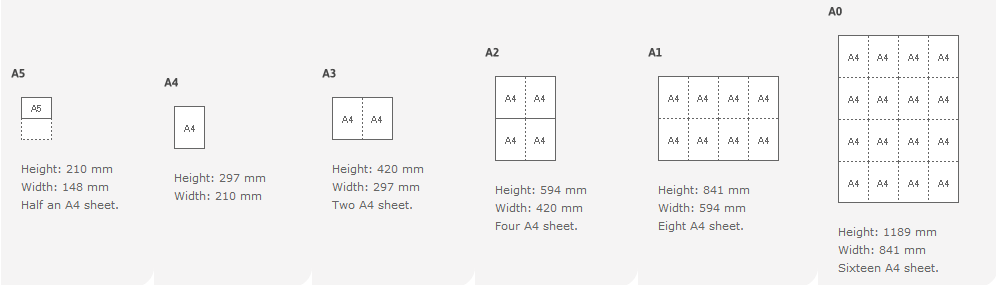
Large format scanning, also known as wide format scanning, refers to the digitisation of oversized documents that exceed standard A4 or A3 dimensions. This technology typically handles documents ranging from A2 up to A0 size and beyond, with some scanners capable of processing materials up to 60 inches wide and virtually unlimited lengths. According to industry specialists, these advanced scanners ensure every detail is captured with precision, preserving the integrity of the original documents.
The process involves using specialised equipment, including both flatbed and roller-fed scanners, to capture high-resolution digital images of documents such as architectural plans, construction drawings, engineering schematics, survey maps, and technical specifications. Modern large format scanners can produce digital files in various formats including PDF, TIFF, JPEG, DWG, and DXF, making them compatible with industry-standard software applications.
The UK Digital Transformation Landscape
The demand for large format scanning services has surged alongside the UK’s broader digital transformation movement. According to recent market analysis, the UK digital transformation market is estimated at £47.33 billion in 2024 and is expected to reach £94.07 billion by 2029, growing at a compound annual growth rate of 14.72 per cent. This significant growth reflects businesses’ urgent need to modernise their document management practices, particularly for large format technical documents.
Government initiatives such as the Digital Development Strategy 2024-2030 are paving the way for greater adoption of digital technologies across both private and public sectors. This commitment to digital infrastructure ensures that organisations embracing document digitisation will remain well-positioned for future developments in artificial intelligence, machine learning, and Building Information Modelling systems.
Key Benefits of Large Format Scanning Services
Space Optimisation and Cost Reduction
Physical storage of large format documents presents significant challenges for UK businesses. Architectural drawings, engineering plans, and technical schematics require substantial floor space, with dedicated plan chests and flat files occupying valuable office areas. A typical plan chest can consume several square metres of floor space, and organisations with extensive archives may dedicate entire rooms to document storage.
By digitising these documents, businesses free up premium office space and eliminate costly off-site storage fees. With a secure digital archive, there’s no need to maintain large cabinets or plan chests, creating a more sustainable and cost-effective solution in the long term. For more information about document archiving methods, organisations can explore various strategic approaches.
Enhanced Accessibility and Collaboration
Physical documents slow down collaboration, especially when project teams work across multiple sites. According to document management experts, digitising large format documents allows complete and easy access to information, enabling every team member to gain instant access to the files they need, wherever they’re based.
Digital files can be accessed anytime, from any location, and shared instantly with colleagues, clients, or contractors. This capability proves especially valuable for teams working remotely or across different locations. Professional document scanning services ensure that technical drawings integrate seamlessly with existing workflows and software systems.
Document Preservation and Security
Over time, paper plans and drawings can fade, tear, or become damaged through continuous handling and environmental exposure. Digitising these documents ensures their content is preserved indefinitely, protecting them from physical degradation, fire, flood, or theft. Digital files stored on secure cloud databases and document management software remain accessible from any location whilst being protected by encryption and access controls.
Many UK businesses working with sensitive documents require compliance with industry regulations and data protection standards. Understanding GDPR requirements becomes crucial when digitising and managing large format documents containing sensitive information.
Industries Benefiting from Large Format Scanning
Architecture and Construction
The construction industry generates vast amounts of paperwork, with architectural drawings, survey maps, and specifications forming part of the legal construction contract. Scanning these documents at high resolution ensures that every detail – from line thickness to scale annotations – is captured accurately. Companies can explore CAD conversion services to transform paper drawings into editable digital formats such as DWG or DXF files.
Engineering and Manufacturing
Engineering firms maintain extensive archives of technical drawings, circuit diagrams, and manufacturing specifications. Large format scanning enables these organisations to create searchable digital archives where specific drawings can be located within seconds rather than hours. The ability to quickly retrieve and share engineering documents significantly improves workflow efficiency and reduces project delays.
Heritage and Cultural Institutions
Museums, galleries, and archives hold valuable collections of oversized materials including historical maps, artwork, posters, and manuscripts. Specialist large format scanning services employ flatbed scanning technology with no physical contact, ensuring the preservation of fragile and valuable originals whilst creating high-quality digital reproductions.
The Large Format Scanning Process
Professional large format scanning services typically follow a structured workflow. Initially, documents are collected securely using tracked vehicles from any UK location. According to scanning specialists, barcodes are applied to drawings for quick identification, and documents are scanned using state-of-the-art technology producing high-resolution digital files.
Drawings are indexed based on agreed naming conventions, such as drawing number, site location, or date. Quality control processes ensure images are delivered at maximum readability, with many providers offering double-checking by two separate operators for accuracy. Digital files are returned via secure file transfer protocol, password-protected USB drives, or uploaded directly to document management systems. For organisations interested in scanning to SharePoint, integration with existing enterprise systems streamlines document access.
Choosing the Right Large Format Scanning Service
When selecting a large format scanning provider, UK businesses should consider several crucial factors. Experience handling oversized and delicate documents proves essential, particularly for valuable historical materials. Providers should possess advanced equipment capable of handling various document types and sizes whilst maintaining high resolution and colour accuracy.
Security certifications and compliance with UK data protection regulations remain paramount, especially when scanning sensitive commercial or government documents. Flexible service options including collection, scanning, digital storage, and secure document destruction provide comprehensive solutions tailored to specific business needs. Many organisations also benefit from bulk scanning services when undertaking large-scale digitisation projects.
Environmental and Sustainability Benefits
By reducing the need for paper copies and physical storage, large format digitisation contributes to lower paper consumption and reduced carbon footprint. Digital documents eliminate the need for multiple printed copies, reducing both printing costs and environmental impact. Organisations committed to sustainability initiatives find that document digitisation aligns with broader environmental, social, and governance goals.
Future Developments in Large Format Scanning
As digital transformation continues reshaping UK businesses, the role of document digitisation will only grow in importance. Emerging technologies such as artificial intelligence and machine learning promise to further enhance digital document capabilities. AI-powered systems can automatically classify drawings, extract technical specifications, and identify potential errors or inconsistencies.
Integration with Building Information Modelling systems represents another frontier for digitised technical drawings. Converting 2D drawings to 3D models enables more sophisticated project planning and coordination, particularly in construction and facility management contexts. Organisations exploring digital document management solutions can position themselves advantageously for these technological advances.
Large format scanning represents a strategic investment for UK businesses seeking to modernise their document management practices. From construction companies and engineering firms to heritage institutions and government agencies, the benefits of digitising oversized documents extend far beyond simple storage solutions. Enhanced accessibility, improved collaboration, long-term preservation, and alignment with digital transformation initiatives make large format scanning an essential service for organisations looking to thrive in an increasingly digital economy.
With the UK digital transformation market projected to reach £94.07 billion by 2029, businesses that embrace document digitisation now will find themselves well-positioned for future developments in AI, machine learning, and advanced document management systems. Whether undertaking a small archival project or a comprehensive digitisation programme, partnering with experienced document scanning specialists ensures that valuable large format documents are preserved, accessible, and ready to support business operations for years to come.