A Complete Guide to Digital Conversion
For decades, aperture cards served as the gold standard for storing large-format technical drawings, engineering plans, and architectural blueprints. These punched cards, each containing a 35mm microfilm negative within a rectangular window, offered organisations a compact and efficient means of archiving critical documentation. However, as we progress further into the digital age, businesses across the United Kingdom are recognising that these legacy storage methods no longer meet the demands of modern workflows. Modernising your aperture cards through professional digitisation is now essential for maintaining operational efficiency, ensuring regulatory compliance, and safeguarding valuable technical archive.
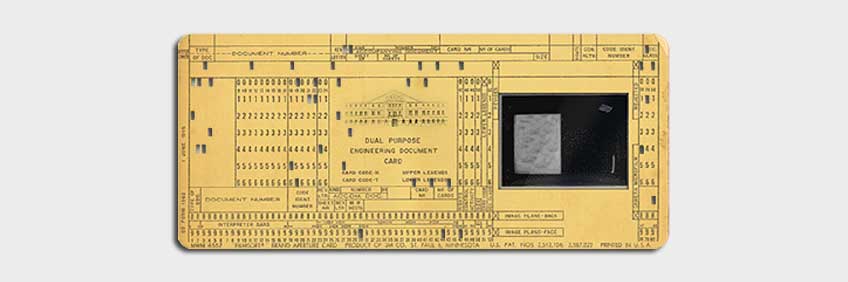
What Are Aperture Cards
An aperture card is a type of punched card featuring a cut-out window into which a 35mm negative of microfilm is mounted. Typically used for engineering drawings from all engineering disciplines, these cards allowed organisations to condense A0-sized technical drawings onto a single portable card. The card itself could be punched with machine-readable metadata, enabling automated sorting and retrieval using card sorting machinery. Many industries, including aerospace, construction, manufacturing, utilities, and government departments relied heavily on aperture cards throughout the twentieth century. The United States Department of Defence once made extensive use of this format, and many UK engineering firms followed suit.
Why Were They Used?
Whilst aperture cards offered certain archival advantages, including an estimated 500-year lifespan when stored correctly, they present significant challenges for contemporary business operations. Cards stored in filing cabinets or archive boxes can only be accessed by one person at a time, retrieval is time-consuming, and misfiled cards within large archives can become effectively lost. Furthermore, the specialist equipment required to view and duplicate aperture cards is increasingly difficult to source and maintain.
The Benefits of Aperture Card Digitisation
Converting your aperture card archive into high-resolution digital files delivers transformative benefits for document management and business continuity. Once digitised, technical drawings become instantly accessible from any networked computer, enabling multiple users to view, share, and collaborate on the same documentation simultaneously. This accessibility proves invaluable for organisations with distributed teams or those requiring off-site access to critical engineering records.
Digital conversion also provides robust disaster recovery protection. Physical aperture cards remain vulnerable to fire, flood, and environmental degradation. By creating secure digital backups, organisations safeguard their technical heritage against catastrophic loss. The National Archives emphasises that digitisation can capture information that would otherwise be lost due to gradual or catastrophic degradation of physical objects over time, increasing resilience and enabling disaster recovery.
Space savings represent another compelling advantage. Thousands of aperture cards can occupy substantial storage space, whereas the equivalent digital archive requires only a fraction of the physical footprint. This reduction in storage requirements translates directly into cost savings on premises and archive management.
The Aperture Card Scanning Process
Professional aperture card scanning, conversion, and coping service utilise specialist equipment designed to capture the intricate details preserved on 35mm microfilm. The process typically begins with secure collection and transportation of your cards to a dedicated scanning facility, where experienced technicians handle the materials with appropriate care.
During scanning, each card is processed through high-resolution microform imaging technology, producing digital images in industry-standard formats including PDF, TIFF, and JPEG. Quality control procedures ensure optimal results, with technicians applying image enhancement techniques such as de-skewing to correct alignment, de-speckling to remove artefacts, and contrast adjustment to maximise clarity. These post-processing steps are particularly important for older or degraded microfilm, where faded drawings or those with uneven contrast may not reproduce well without careful attention.
Following digitisation, comprehensive indexing ensures your newly converted files are organised for efficient retrieval. Common indexing fields include drawing reference numbers, project codes, titles, revision numbers, and dates. This metadata enables rapid searching across your entire digital archive, eliminating the laborious manual searches required with physical aperture cards.
Ensuring Legal Admissibility and Compliance
For many organisations, digitised records must carry sufficient evidential weight to be admissible in legal proceedings or regulatory audits. BS 10008, the British Standard on evidential weight and legal admissibility of electronically stored information, provides comprehensive guidance for organisations seeking to demonstrate that their digital records are trustworthy and authentic. This standard specifies requirements for the implementation and operation of electronic information management systems, addressing issues relating to authenticity, integrity, and availability of digital records throughout their lifecycle.
When selecting a digitisation provider, organisations should consider whether the service follows established quality frameworks. The National Conservation Service launched a Quality Mark for Trusted Digitisation, designed to help those seeking digitisation providers by offering clauses covering how items and collections will be protected throughout the process. Providers certified to ISO 9001 quality management standards offer additional assurance regarding consistent processes and documented procedures.
Choosing Output Formats for Your Digital Archive
Selecting appropriate file formats for your digitised aperture cards depends upon your intended use and long-term preservation requirements. PDF format offers excellent compatibility across different systems and is widely used for sharing and viewing technical drawings. TIFF files provide lossless compression, making them ideal for archival purposes where image quality must be preserved without degradation. JPEG format offers smaller file sizes suitable for quick reference applications, though with some compression-related quality reduction.
For organisations requiring continued design work on legacy drawings, conversion to CAD formats may be appropriate. This enables engineers to modify and update historical designs using modern software tools, breathing new life into decades-old technical documentation.
Planning Your Aperture Card Digitisation
Successful digitisation projects begin with thorough planning and clear objectives. Start by conducting an audit of your existing aperture card holdings, assessing the volume of cards, their physical condition, and the criticality of the information they contain. This assessment helps prioritise which collections require immediate attention and informs accurate project scoping.
Consider your indexing requirements carefully. The metadata structure you establish now will determine how effectively users can locate specific drawings in future. Consulting with departments who regularly access technical drawings ensures the indexing scheme meets practical operational needs.
Data security deserves careful attention throughout the project. Engineering drawings often contain commercially sensitive or security-classified information. Reputable digitisation providers implement strict security protocols, including secure transportation, controlled access to scanning facilities, and encrypted delivery of completed digital files via secure download portals, encrypted USB drives, or hard drives.
Taking the Next Step
Modernising your aperture cards represents a strategic investment in operational efficiency and information resilience. By converting legacy microfilm archives into accessible, searchable digital formats, organisations unlock the full value of their technical heritage whilst eliminating the limitations of outdated storage methods. Whether your collection comprises hundreds or hundreds of thousands of aperture cards, professional digitisation services provide the expertise and specialist equipment necessary to deliver high-quality results.
Contact a specialist aperture card scanning provider to discuss your requirements. Most offer free sample scanning with no obligation, allowing you to evaluate output quality before committing to a full project. With careful planning and the right partner, your organisation can successfully transition from aperture cards to a modern digital archive that serves your needs for decades to come.