If you’ve ever stood in front of a room full of filing cabinets, storage boxes, or archive shelves and felt overwhelmed at the prospect of digitising everything, you’re certainly not alone. Many organisations across the United Kingdom find themselves in precisely this situation, knowing they need to embrace digital transformation but feeling daunted by the sheer scale of the task ahead.
The good news? Bulk document scanning is far more manageable than most people realise. With the right approach and a professional document scanning service, even the largest paper archives can be efficiently converted into secure, searchable digital files – often far more quickly and cost-effectively than you might expect.
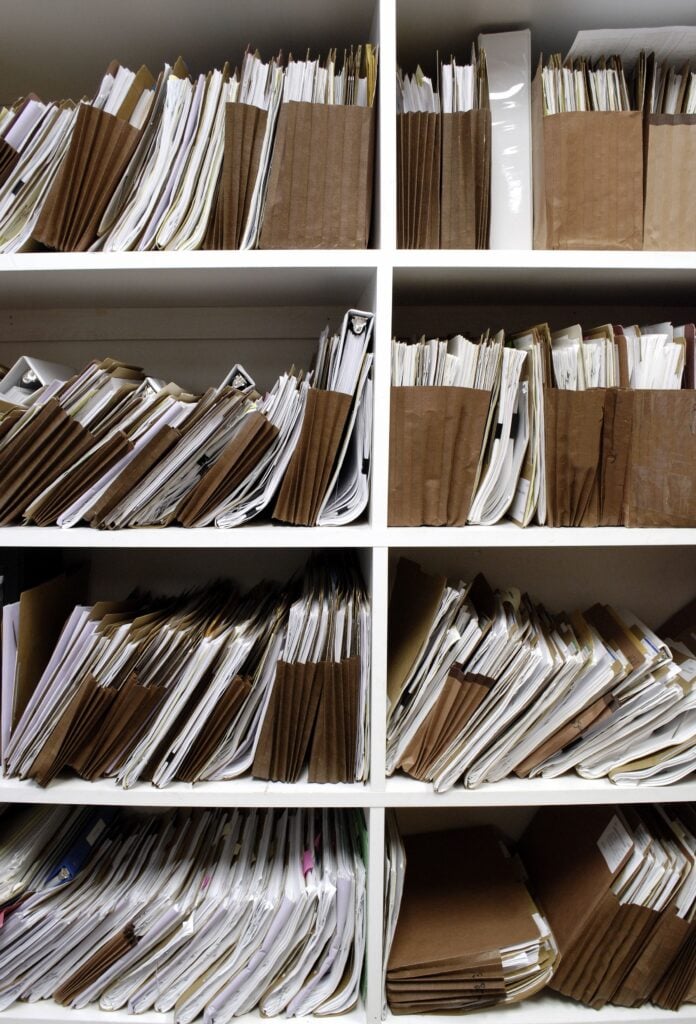
The True Scale of Paper in British Businesses
Paper document management remains a significant challenge for organisations across all sectors. From NHS trusts managing patient records to solicitors maintaining case files, and from local councils storing planning applications to financial institutions archiving transaction records, the volume of physical documentation in British workplaces is substantial.
The UK Government’s Digital Strategy recognises that digital transformation is essential for improving public services and operational efficiency. According to the Government Transformation Strategy published by GOV.UK, embracing digital processes helps organisations become more agile and responsive whilst reducing costs associated with traditional paper-based systems.
Yet despite these benefits, many organisations hesitate to begin their digitisation journey, often overestimating the complexity and underestimating the advantages. The reality is that professional bulk scanning services have evolved to handle projects of virtually any size, making the transition to digital more accessible than ever before.
How Professional Bulk Scanning Actually Works
Understanding the bulk scanning process helps demystify what can seem like an overwhelming undertaking. Professional scanning bureaux have refined their workflows to handle high volumes efficiently whilst maintaining quality and security throughout.
Collection and Preparation
The process typically begins with secure collection of your documents from anywhere in the UK. Reputable providers offer packing assistance and supply secure containers for transportation. Once documents arrive at the scanning facility, preparation work involves removing staples, paperclips, and bindings to ensure smooth processing through industrial scanners.
Scanning and Quality Control
Modern scanning bureaux use state-of-the-art equipment capable of processing thousands of pages per hour. Each image undergoes quality checks to ensure clarity and completeness. Optical Character Recognition (OCR) technology then converts scanned images into searchable text, enabling you to find specific information within seconds rather than hours.
Indexing and Delivery
Documents are indexed according to your specifications – whether by date, client name, reference number, or any other criteria that suits your workflow. Final digital files can be delivered via secure FTP, encrypted USB drive, or uploaded directly to a cloud-based document management system for immediate access from anywhere.
Compliance and Legal Admissibility
One of the primary concerns organisations have about digitising documents relates to compliance and legal standing. Will digitised records be accepted in court? Do they satisfy regulatory requirements? These are valid questions with reassuring answers.
The British Standard BS 10008 provides comprehensive guidance on the evidential weight and legal admissibility of electronically stored information. This standard specifies how organisations should manage electronic information to ensure it maintains strong evidential weight and remains demonstrably trustworthy. When you work with a scanning provider certified to BS 10008, you can be confident that your digital records will be accepted as authentic and reliable.
The National Archives provides extensive guidance on digitisation best practices for organisations handling public records. Their recommendations emphasise the importance of maintaining provenance and evidential value throughout the digitisation process—standards that professional scanning services are designed to meet.
Furthermore, the Information Commissioner’s Office (ICO) guidance on records management under UK GDPR highlights that appropriate security measures must protect personal data throughout its lifecycle. This includes ensuring proper access controls, maintaining audit trails, and implementing secure storage solutions—all of which are enhanced through professional digitisation with appropriate document management systems.
The Business Case for Bulk Document Scanning
Beyond compliance, the practical benefits of digitising your paper archives deliver tangible returns on investment.
Space and Cost Savings
Physical document storage is expensive. Whether you’re paying for offsite storage facilities, dedicating valuable office floor space to filing cabinets, or both, the costs accumulate significantly over time. Converting to digital eliminates these ongoing expenses whilst freeing up space for more productive use.
Enhanced Accessibility and Productivity
With digital documents, information retrieval becomes instant. Rather than staff spending hours searching through filing systems, a simple keyword search locates the exact document needed in seconds. This efficiency gain translates directly into improved productivity and better customer service, as information can be shared and accessed remotely by authorised personnel.
Disaster Recovery and Business Continuity
Paper documents are vulnerable to fire, flood, theft, and simple deterioration over time. Digital files can be backed up across multiple secure locations, ensuring your critical business information survives any disaster. This protection is particularly vital for organisations handling irreplaceable historical records or legally required documentation.
Environmental Responsibility
Reducing paper consumption aligns with broader sustainability goals. The UK Government has set ambitious targets for carbon reduction, and digital transformation plays a key role in achieving these objectives. By digitising existing archives and implementing paperless workflows, organisations contribute to environmental sustainability whilst modernising their operations.
What Types of Documents Can Be Bulk Scanned?
Professional scanning services can handle virtually any document type or format. Common examples include:
- HR and personnel files
- Financial records and invoices
- Legal case files and contracts
- Medical and patient records
- Architectural drawings and engineering plans
- Historical archives and heritage documents
- Books, manuscripts, and bound volumes
- Microfiche and microfilm collections
Specialist equipment and techniques exist for handling fragile or oversized materials. Large format scanning services cater to architectural plans and engineering drawings, whilst book scanning uses specialised cradles and lighting to protect valuable bound materials during digitisation.
Choosing the Right Scanning Partner
Selecting a professional scanning provider is crucial to project success. Key factors to consider include:
Security Accreditations
Look for providers certified to recognised standards including ISO 27001 and BS 10008. These accreditations demonstrate commitment to protecting your sensitive information throughout the scanning process.
Experience and Capacity
Established providers with years of experience have refined their processes to deliver consistent quality at scale. Enquire about their facility capacity, turnaround times, and experience with your specific document types.
Complete Service Offering
The best providers offer end-to-end solutions including secure collection, preparation, scanning, OCR processing, indexing, and delivery. Additional services such as secure document shredding after digitisation ensure complete handling of your document lifecycle.
Getting Started Is Easier Than You Think
The most important step is simply beginning. Most professional scanning companies offer free consultations and site visits to assess your specific requirements. This initial assessment helps establish project scope, timeline, and budget without any obligation.
For organisations not ready to digitise everything at once, scan-on-demand services offer a gradual transition. Your documents remain in secure storage, with specific files digitised as and when needed. This hybrid approach provides flexibility whilst moving steadily towards a fully digital archive.